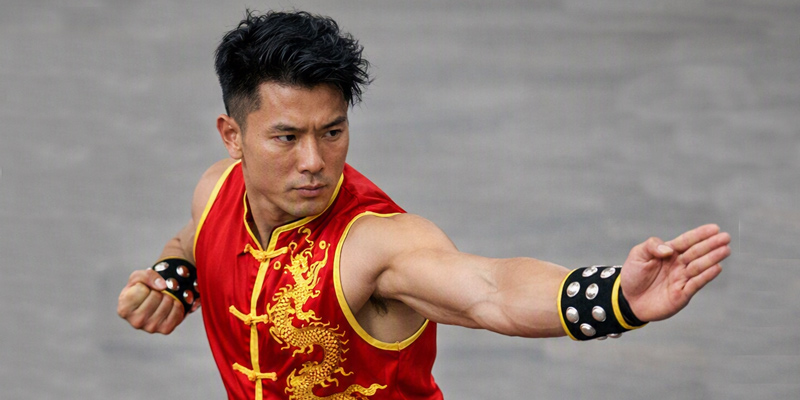
Nanquan Wrist Bands
| Qty: | Add to cart |
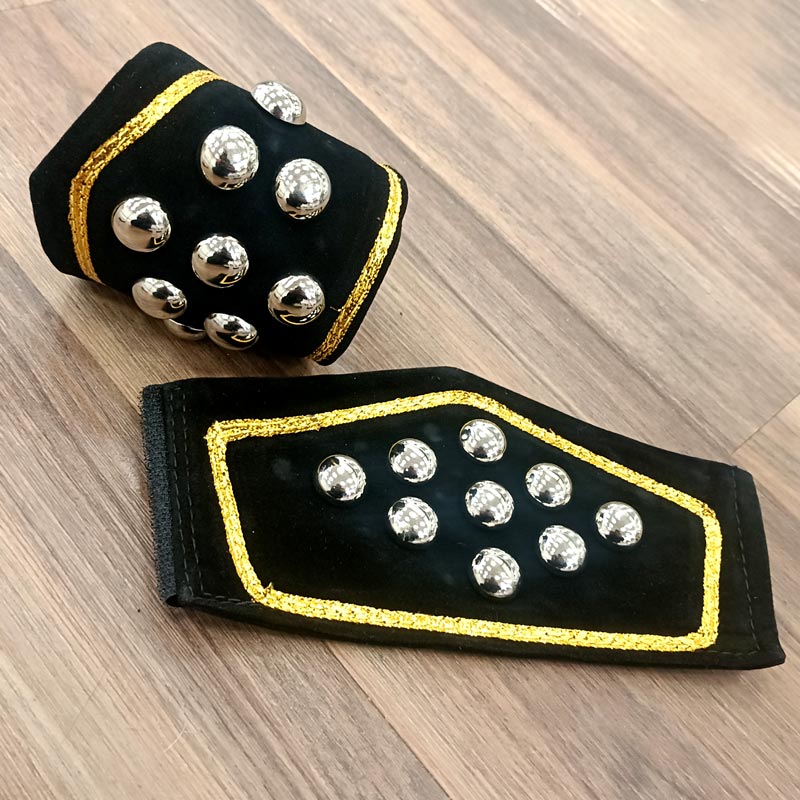
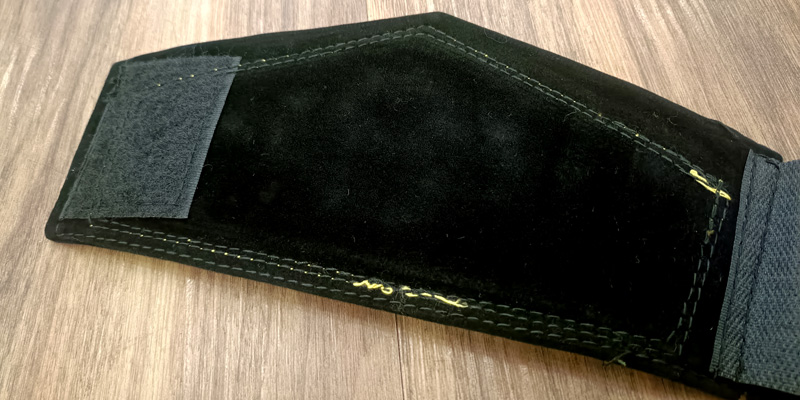
-Velcro closings to fit securely to your wrist diameter
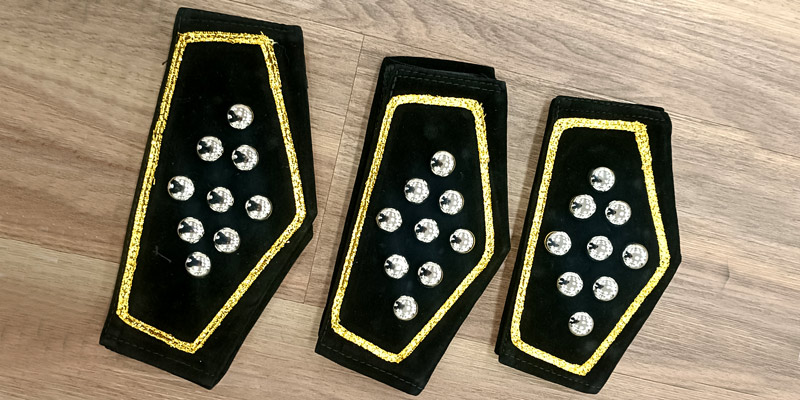
-Available in 3 sizes
-Made of velvet and satin with a foam inner
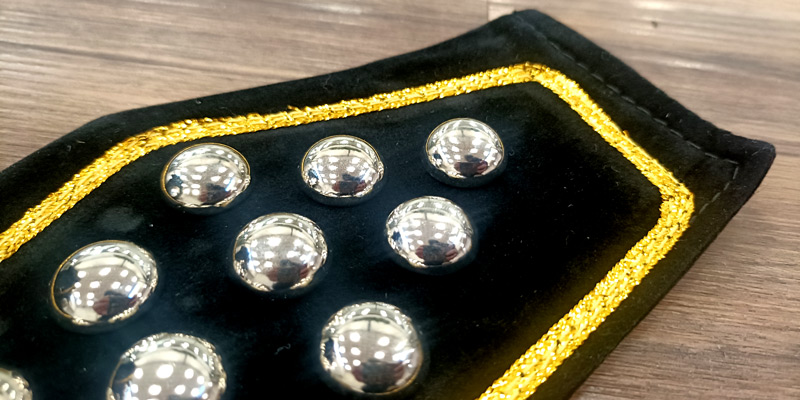
-Gold Trim
-Stainless steel studs
More About Nanquan Wrist Bands and Belts
In the explosive, close-range world of Nanquan (Southern Fist), every movement demands stability, speed, and raw structural power. Unlike the fluid, acrobatic styles of Northern Wushu, Southern Chinese martial arts such as Hung Gar and Choy Li Fut—emphasize low stances, powerful hand techniques, and fierce vocal articulations. To support this intense physical output, practitioners traditionally rely on two essential pieces of gear: Nanquan wrist bands (or forearm bracers) and wide waist belts.
Historically, these accessories served practical battlefield functions. Southern styles evolved in China's Southern river regions, where combat often took place on slippery terrain or boats. Wide fabric sashes or leather waist belts provided vital core stabilization, protecting the lower back during sudden, heavy power transfers (Fajin). Forearm guards, often made of thick leather or reinforced fabric, acted as armour to deflect bladed weapons and blunt impacts during close-quarter drilling. Over time, practitioners also adopted heavy iron or brass rings worn on the wrists, using the shifting weight to condition the forearms, strengthen the shoulders, and increase the momentum of punches.
In modern martial arts retail and competitive circles, Nanquan wrist bands are occasionally referred to or catalogued under the term Pao Ding. While the exact etymology can vary across regions, this name heavily ties into Chinese linguistic roots and cultural history.
Linguistically, the term connects to the explosive "cannon punch" (Paoquan or Paochui) actions central to Southern styles, referencing the gear's ability to withstand the tremendous "pounding" forces generated during heavy bag work or hard forearm-to-forearm conditioning (Paidagong). Historically, the name also evokes the famous parable of Chef Pao Ding (from the classical Daoist text Zhuangzi), a legendary figure who mastered his blade technique so perfectly that his tools never wore down. Calling the gear Pao Ding pays homage to this level of effortless mastery, precision, and structural alignment that a martial artist strives to achieve through rigorous training.
In modern competitive Wushu, Nanquan wrist bands and belts have evolved to blend traditional aesthetics with performance functionality. Today's wrist bands are typically crafted from lightweight leatherette, satin, or breathable canvas, secured by Velcro or metal snaps. They compress the wrist joint to prevent hyperextension during rapid-fire punches and weapon forms like the Nandao (Southern Broadsword). Meanwhile, the wide belt secures the silk uniform, accentuates the athlete’s waistline, and visually emphasizes the sharp, dramatic hip rotations required by judges. Together, these accessories are not just decorative; they are vital tools that bridge centuries of martial heritage with modern athletic excellence.